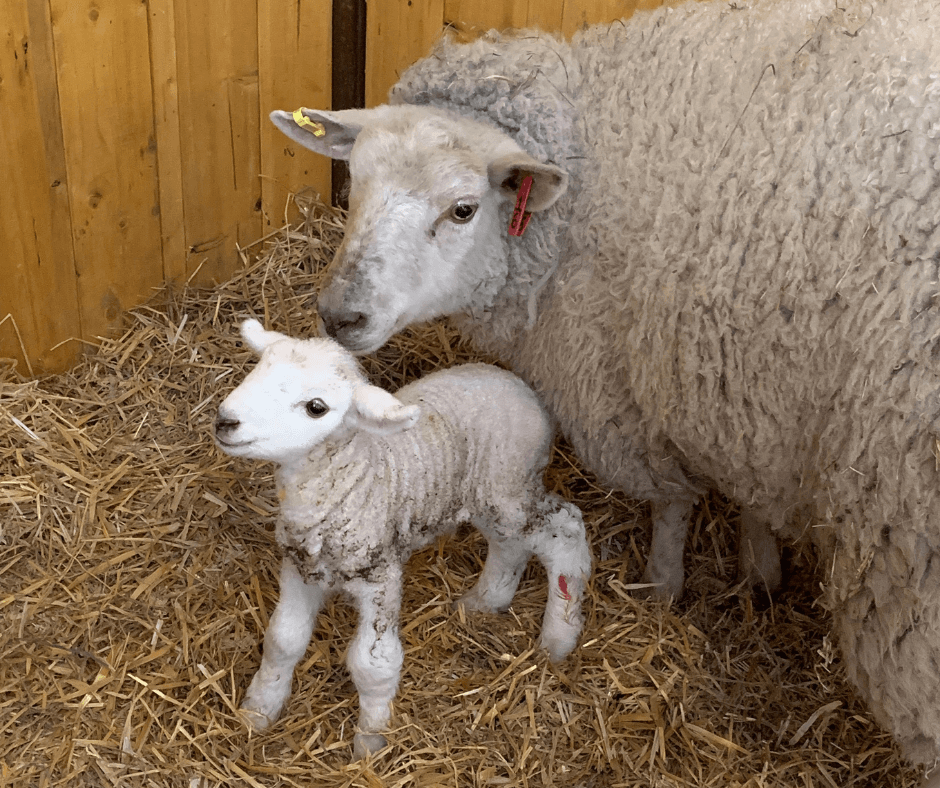
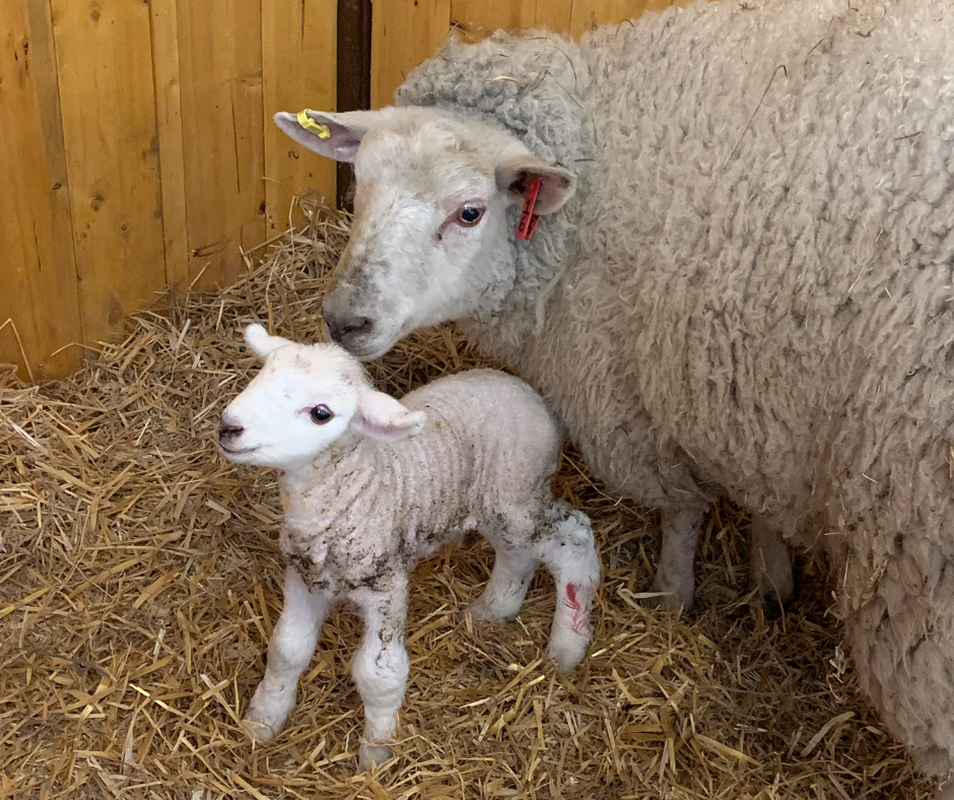
For sheep producers, tail docking is a routine but important management practice as it reduces flystrike risk, improves hygiene, and helps facilitate management. While traditional elastrator bands are effective, many producers have had concerns about the pain associated with the procedure, and the potential impact on lamb performance during the critical first days of life. Thanks to support from RDAR’s Producer Research and Evaluation Project (PREP), Emily and Logan Herder were able to evaluate whether lidocaine-infused Lidobands could improve animal welfare and deliver a measurable return on investment.
Background
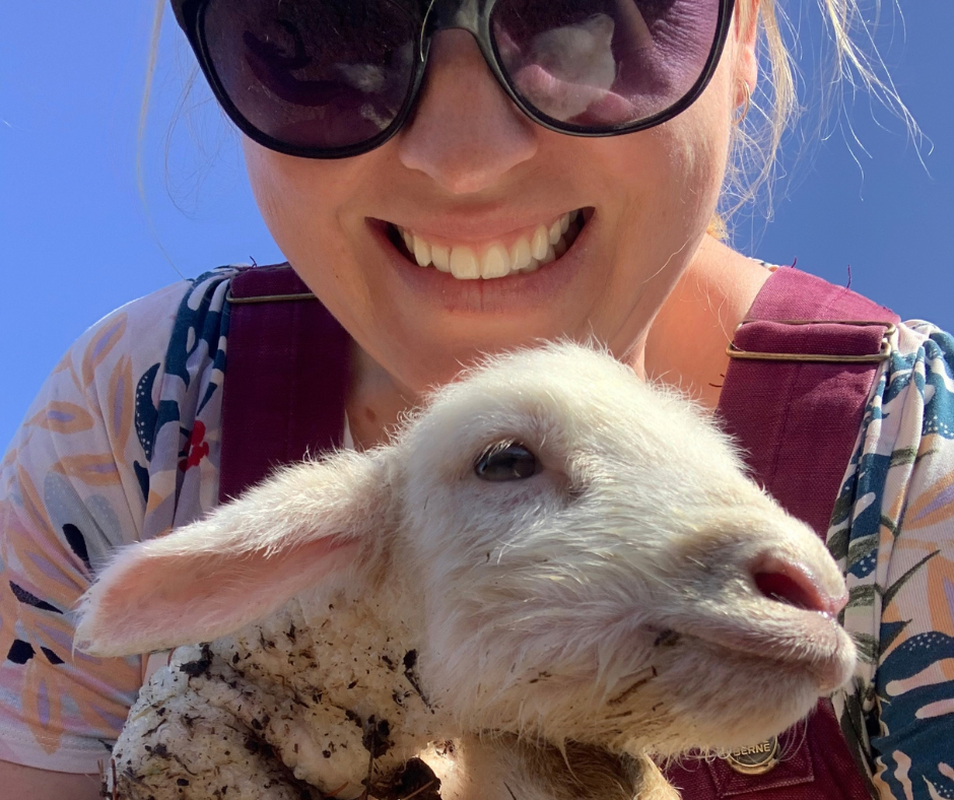
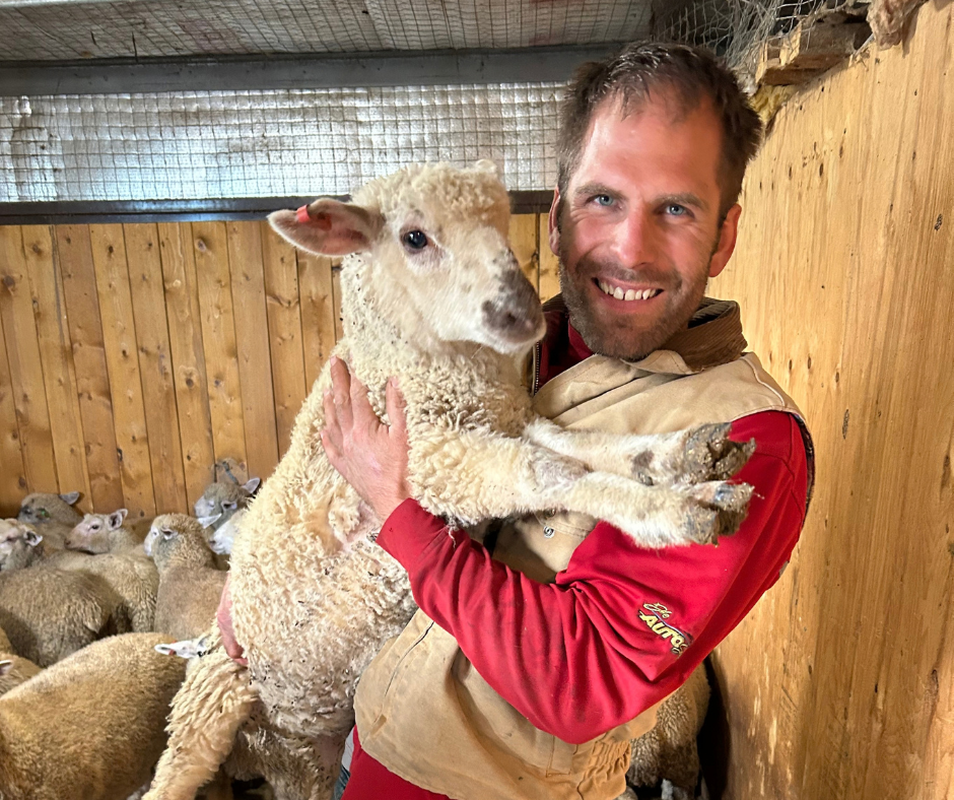
Spring Herd Farms was established in 2014 when Emily and Logan Herder moved to their 80-acre farm. What started as a small cattle operation quickly transitioned as they found their niche in sheep farming. The Herder’s consider their farm to be an extension of their family and say it has been heartwarming to watch both their children and operation grow alongside each other.
Lidobands
Lidobands are special elastic rubber bands that contain lidocaine, a local anesthetic. They were developed to reduce the pain associated with procedures such as lamb tail docking and castration when banding methods are used. Lidobands are applied the same as traditional rubber docking or castration bands; however, lidocaine is released in the surrounding tissue reducing pain and sensitivity.
Why Investigate Lidobands?
Emily and Logan have always prioritized animal welfare and continuously look for ways to improve their operations through evidence-based management practices. “Our goal has always been to maximize the benefit for cost effectiveness and animal welfare, as well as our manpower.” With PREP support, they saw an opportunity to determine whether Lidobands, which contain lidocaine for pain mitigation, could provide measurable benefits.
Emily first heard about Lidobands two to three years before beginning the project through a trusted friend and sheep mentor. “As a nurse, anything medicine-related naturally catches my attention,” she explained. The idea of incorporating lidocaine into a tail docking band was intriguing, particularly given her science background and interest in animal welfare.
At the time, most of the available information focused on cattle castration rather than sheep tail docking, making it difficult to assess the practical value for lamb producers.
Prior to investigating Lidobands, Emily and Logan observed that lambs often become lethargic following tail docking and castration with traditional bands. “You’d put the bands on, and the lambs would just lay around, which isn’t what you want.” This was especially concerning because tail docking occurs during the first 24 hours of life, when maximizing colostrum intake and establishing strong ewe-lamb bonds are essential.
The couple had experimented with delaying docking procedures by allowing ewes and lambs to bond for six to eight hours before applying bands. However, they still felt the pain response could be limiting milk consumption and overall early-life performance.
RDAR’s PREP Initiative
The Herder’s are firm believers in continuously evaluating production practices rather than simply following tradition. “Often people in agriculture will do something because their dad did it or they learned it from their grandparents. What they learned may not necessarily be best practice.”
While researching possibilities online, they discovered PREP and connected with Quinn Devine, Research Officer, Producer Programs, who helped them refine their idea and navigate the application process. “After Googling, we came across PREP and met Quinn, who was really kind and helped guide us through the whole process.” Because they already weighed lambs at birth and again at weaning, they felt they had a strong foundation for measuring the impacts of a new management tool.
For Emily and Logan, PREP offered an opportunity to generate practical, farm-level data while advancing both productivity and animal welfare goals.
Study Design and Metrics
The research question was straightforward: Do Lidobands provide measurable benefits that justify their additional cost?
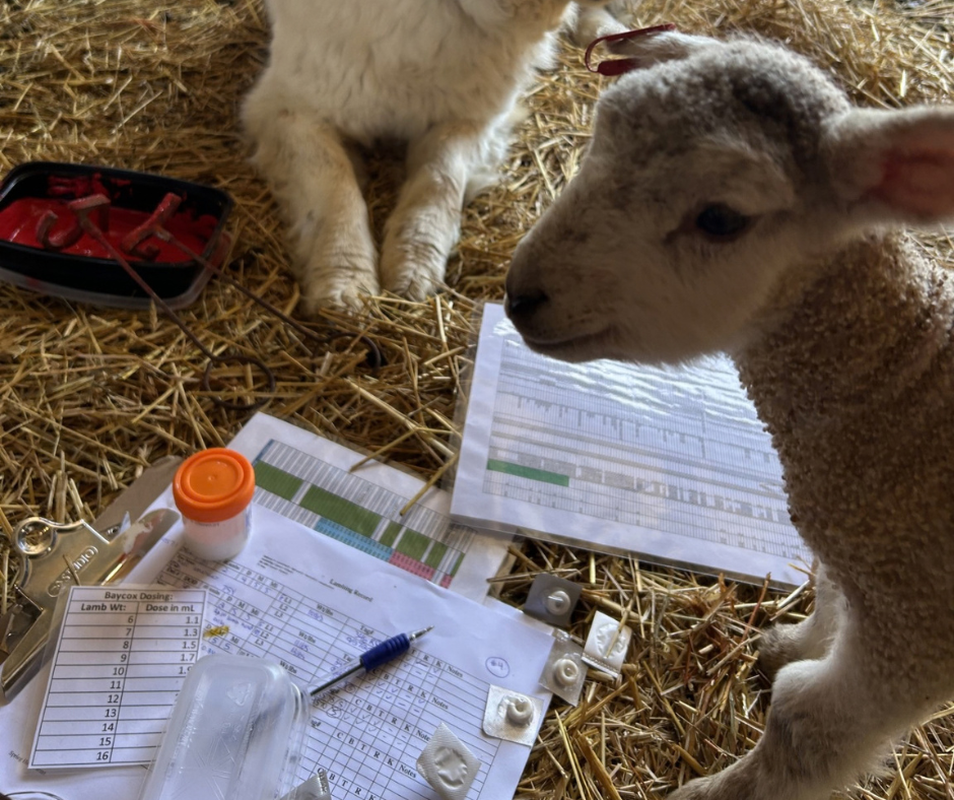
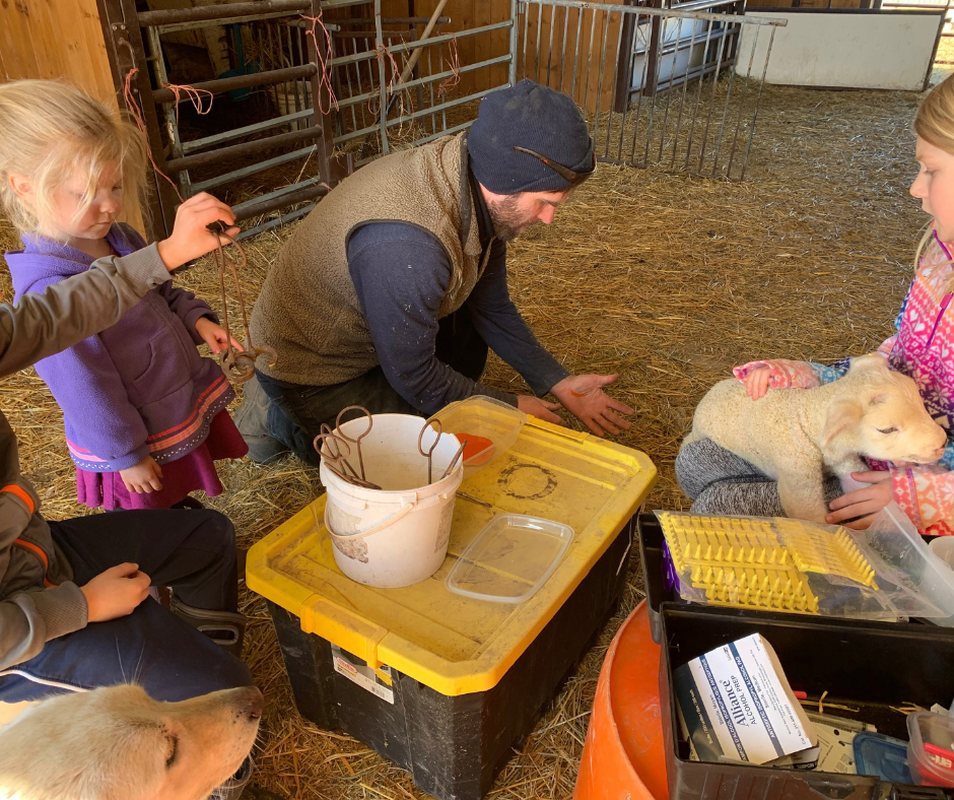
The Herder’s focused on collecting data that would have practical relevance for producers. They randomly divided the lambs into two groups: one group received traditional elastrator bands and the other group received Lidobands. Management factors such as housing and feeding were kept consistent between the groups.
Quantitative measurements included:
· Birth weights
· Weaning weights
· Average daily gain
· Financial return on investment
They also monitored behavioural indicators such as:
· Lamb activity levels
· Maternal bonding
· General observations of pain response
Emily admitted she expected a dramatic difference in behaviour: “I was expecting the lambs with the Lidobands to bounce back and be skipping around and happy.” However, the differences were more subtle than anticipated. While there was some indication that Lidoband-treated lambs became more active after several hours, the most meaningful difference ultimately appeared in the performance data.
Challenges
Like many innovations, Lidobands came with a learning curve. One of the first challenges was handling the product itself. The bands are less pliable than traditional elastrator bands, making them more difficult to stretch and apply. Because they are small and white, any dropped bands became difficult to locate in the barn. The higher cost also increased the pressure to avoid mistakes. As a result, they had to slow down and apply the bands more carefully.
Another challenge was product accessibility. Lidobands require veterinary involvement, which can feel intimidating for producers unfamiliar with discussing new technologies with their veterinarian. Emily emphasized the importance of strong producer-veterinarian relationships. “We are very much advocates for good relationships with your vet.”
Findings
The project included 180 lambs, providing a meaningful dataset for evaluation. The most significant result was a 3.6% higher average weight gain among lambs treated with Lidobands compared to conventional bands. Although the Herder’s did not observe strong differences in visible pain behaviours or maternal bonding, the performance data told a compelling story.
“The weight gain and the associated return on investment proved that it was worthwhile. That’s what producers want to know. If I’m spending so much more on this, is it actually going to make me more money?”
Beyond profitability, Emily and Logan believe the additional weight gain provides health benefits by helping lambs better withstand disease challenges, stress events, and weaning transitions.
Recommending PREP
Without hesitation, the Herder’s said “yes” they would recommend PREP to other producers. They frequently share their results with other sheep producers and encourage them to consider both Lidobands and producer-led research opportunities. “We get asked about it all the time now and we have our spreadsheets and our data and can literally objectively say, yes, it does work.”
Emily believes one of PREP’s greatest strengths is that it empowers producers to generate knowledge directly relevant to their farms. “You’re literally proving to a producer from a producer that the Lidobands are beneficial.”
She also stresses that the program is accessible to operations of all sizes: “People need to understand that these programs are built for people like them. They don’t need to be big or scary. It’s really meant to help you rise and then help agriculture as a whole rise together so we have this communal knowledge.”
Perhaps most importantly, she encourages producers not to fear failure:
“Even if a study fails, that’s valuable to you and to other producers, so don’t be afraid of failure.”
Emily Herder
Looking Ahead
The Herder’s have already begun implementing Lidobands as part of their regular production system and have launched another PREP-supported project.
While the study did not demonstrate dramatic behavioural improvements, it did provide evidence that using Lidobands can increase lamb growth enough to offset their higher cost. For producers seeking to improve both animal welfare and productivity, the results, in this case, suggest that Lidobands may be a worthwhile management tool, particularly when veterinary consultations and medication pickups can be coordinated to reduce additional expenses.
As Emily puts it: “My biggest wish would be that people would understand and not be fearful of trying new ideas because they can be so valuable. The largest barrier tends to be cost and understanding, and PREP is helping with that.”
Got an idea that could improve your operation?
Turn curiosity into action and discover what works best for your operation.